Zhuhai Ptpower Electronic Technology Co., Ltd.


Unlocking the Secrets of DALI LED Drivers: A Comprehensive Guide
2025-03-07
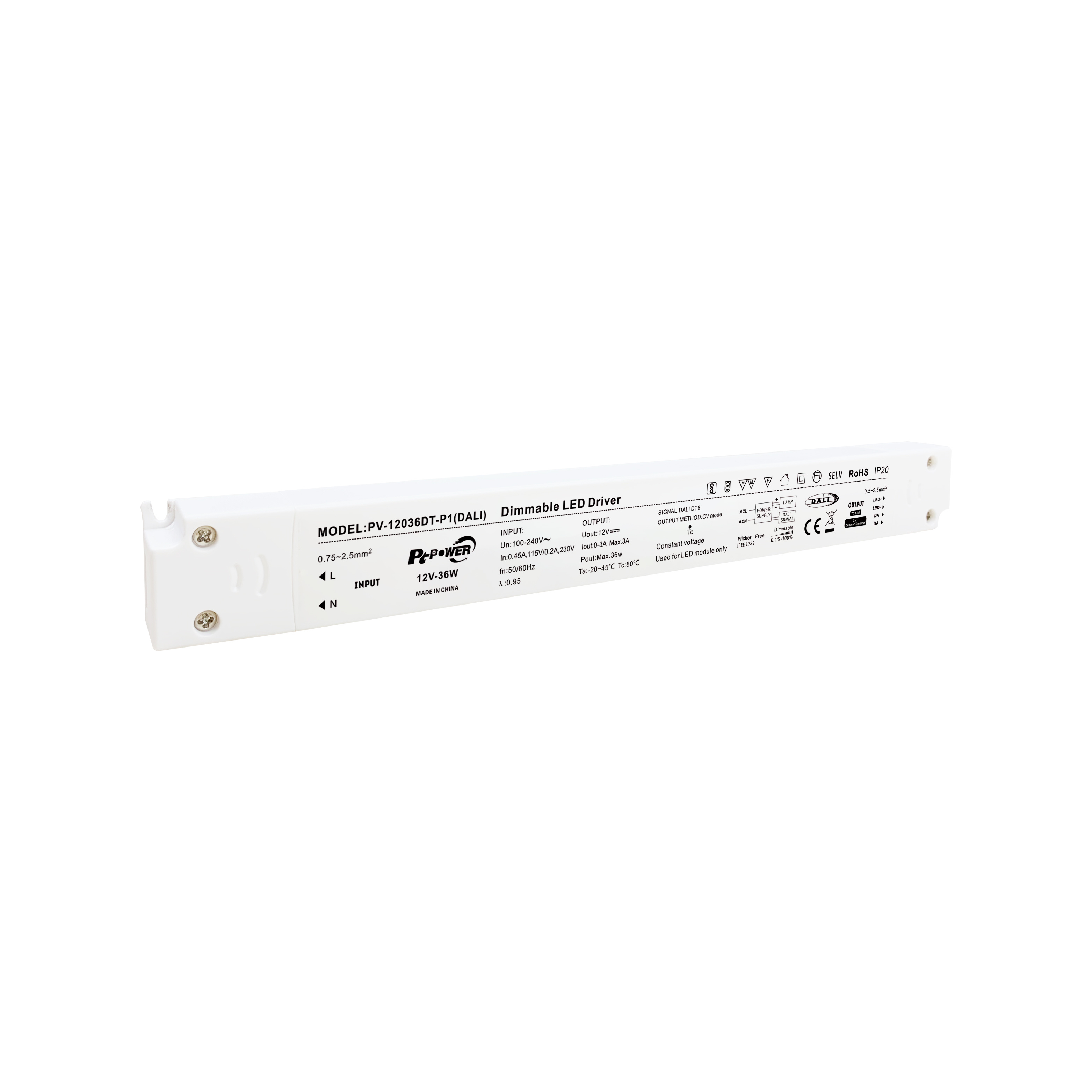
Unlocking the Secrets of DALI LED Drivers: A Comprehensive Guide
In the rapidly evolving field of lighting technology, **DALI LED drivers** have emerged as a pivotal component in achieving efficient and flexible lighting solutions. **Digital Addressable Lighting Interface (DALI)** enhances the management and control of lighting systems, making it a favorite among architects, engineers, and system integrators. This comprehensive guide aims to demystify DALI LED drivers, exploring their features, benefits, and applications in various settings.
Table of Contents
- 1. Introduction to DALI LED Drivers
- 2. What is DALI?
- 3. How Do DALI LED Drivers Work?
- 4. Benefits of DALI LED Drivers
- 5. Applications of DALI LED Drivers
- 6. Choosing the Right DALI LED Driver
- 7. Installation and Configuration of DALI LED Drivers
- 8. The Future of DALI Technology
- 9. Frequently Asked Questions
- 10. Conclusion
1. Introduction to DALI LED Drivers
In the world of **LED lighting**, the role of a driver is vital. DALI LED drivers serve as the intermediary between the power source and the LED fixtures, enabling sophisticated control over lighting systems. This technology provides a digital communication interface that allows for individual addressing and control of lighting fixtures, making adjustments to brightness and color temperature seamless.
2. What is DALI?
The **Digital Addressable Lighting Interface (DALI)** is a communication protocol used in lighting control systems, specifically designed to offer a standardized means of controlling and managing lighting fixtures. DALI allows for two-way communication between the control device and the lighting fixtures, enabling users to send commands and receive feedback. This feature is particularly advantageous in complex lighting environments, such as commercial buildings and smart homes.
Key Features of DALI
- **Two-way communication:** DALI enables feedback from the fixtures, allowing for real-time monitoring and diagnostics.
- **Individual addressing:** Each light fixture can be assigned a unique address for precise control.
- **Flexible configurations:** Multiple lighting fixtures can be grouped and controlled together, enhancing versatility.
3. How Do DALI LED Drivers Work?
DALI LED drivers work by converting the DALI signal into a suitable voltage and current for the connected LED lights. The DALI protocol operates on a bus system, where multiple devices can be connected on a single cable. This setup simplifies the wiring and reduces installation costs.
Understanding the DALI Protocol
The DALI protocol operates at a voltage of 16V, allowing up to 64 addresses on a single DALI line. Each address can control one or more fixtures, providing flexibility in managing different lighting zones. The drivers interpret commands such as turn on, turn off, dim, or change color and execute these actions accordingly.
Types of DALI Commands
- **Standard commands:** Basic functions like on/off, dimming, and scene recall.
- **Extended commands:** Advanced features such as color temperature adjustments and status feedback.
4. Benefits of DALI LED Drivers
Choosing DALI LED drivers for your lighting systems offers numerous advantages:
Energy Efficiency
One of the most significant benefits of DALI LED drivers is their ability to optimize energy consumption. By providing precise control over brightness levels and enabling scheduled operations, DALI systems contribute to lower energy bills.
Enhanced Flexibility
DALI technology allows for easy reconfiguration of lighting setups. Whether adding new fixtures or changing existing ones, users can modify the system without significant rewiring.
Improved Maintenance and Diagnostics
The two-way communication system in DALI allows for real-time monitoring of the lighting fixtures. Users can quickly identify faulty fixtures or performance issues, making maintenance more efficient.
5. Applications of DALI LED Drivers
DALI LED drivers are versatile and can be applied in various environments:
Commercial Spaces
In office buildings, DALI drivers facilitate tailored lighting solutions that can adapt to different tasks and preferences, enhancing employee productivity.
Retail Environments
Retail stores benefit from DALI technology, allowing dynamic lighting adjustments that can influence shopper behavior and enhance product displays.
Residential Applications
Smart homes increasingly utilize DALI systems for lighting control, integrating with home automation systems to create customizable environments.
6. Choosing the Right DALI LED Driver
Selecting the appropriate DALI LED driver requires an understanding of the specific needs of your lighting project:
Power Requirements
Ensure the driver can handle the total wattage of all connected fixtures. **DALI LED drivers** come in various power ratings, so choose one that accommodates your setup.
Compatibility
Check that the driver is compatible with your LED fixtures and other control components in the system. Not all LED fixtures work seamlessly with all DALI drivers.
Features and Functionality
Consider what features are necessary for your application. Do you require advanced controls, such as color temperature adjustments or integration with building management systems?
7. Installation and Configuration of DALI LED Drivers
Installing DALI LED drivers involves careful planning and execution:
Wiring Considerations
Use a single twisted pair cable for DALI connections, which helps reduce interference. Follow the manufacturer's guidelines for wiring setups to ensure optimal performance.
Configuration Process
Once installed, the configuration process involves addressing each DALI fixture and grouping them for control. This step can be accomplished using a DALI controller or software.
8. The Future of DALI Technology
The future of DALI technology looks promising as it continues to evolve with advancements in smart lighting and IoT. The integration of DALI with other technologies, such as wireless communication and building management systems, will enhance its capabilities and usability in the coming years.
9. Frequently Asked Questions
What is the range of a DALI system?
The effective range for a DALI system is typically up to 300 meters on a single bus line, but this can vary based on installation and wiring conditions.
Can DALI drivers be used with non-DALI systems?
No, DALI drivers are specifically designed for DALI protocol communication and may not function properly with non-DALI systems.
How many devices can be connected to a single DALI line?
A single DALI line can support up to 64 individual addresses, allowing for a flexible number of fixtures to be controlled.
Are DALI LED drivers dimmable?
Yes, most DALI LED drivers support dimming functionalities, allowing for precise control over lighting levels.
What are the advantages of using DALI over traditional lighting systems?
DALI offers greater flexibility, energy efficiency, and the ability to monitor and control lighting systems remotely, which traditional systems often lack.
10. Conclusion
In conclusion, DALI LED drivers represent a significant advancement in lighting control technology, providing substantial benefits across various applications. Their energy efficiency, flexibility, and enhanced diagnostic capabilities make them an excellent choice for anyone looking to optimize their lighting systems. As technology continues to evolve, adopting **DALI LED drivers** will undoubtedly be a step toward smarter and more efficient lighting solutions.


Message consultation
* Note: Please be sure to fill in the information accurately and keep the communication unblocked, we will get in touch with you as soon as possible
COPYRIGHT 2024 Zhuhai Ptpower Electronic Technology Co., Ltd.
Powered By 300.cn Privacy Policy Digital business card
Sorry, there is currently no content in the current column
You can check other sections
Business License