Zhuhai Ptpower Electronic Technology Co., Ltd.


Understanding LED Power Supply for Landscape Lighting: A Comprehensive Guide
2025-03-16
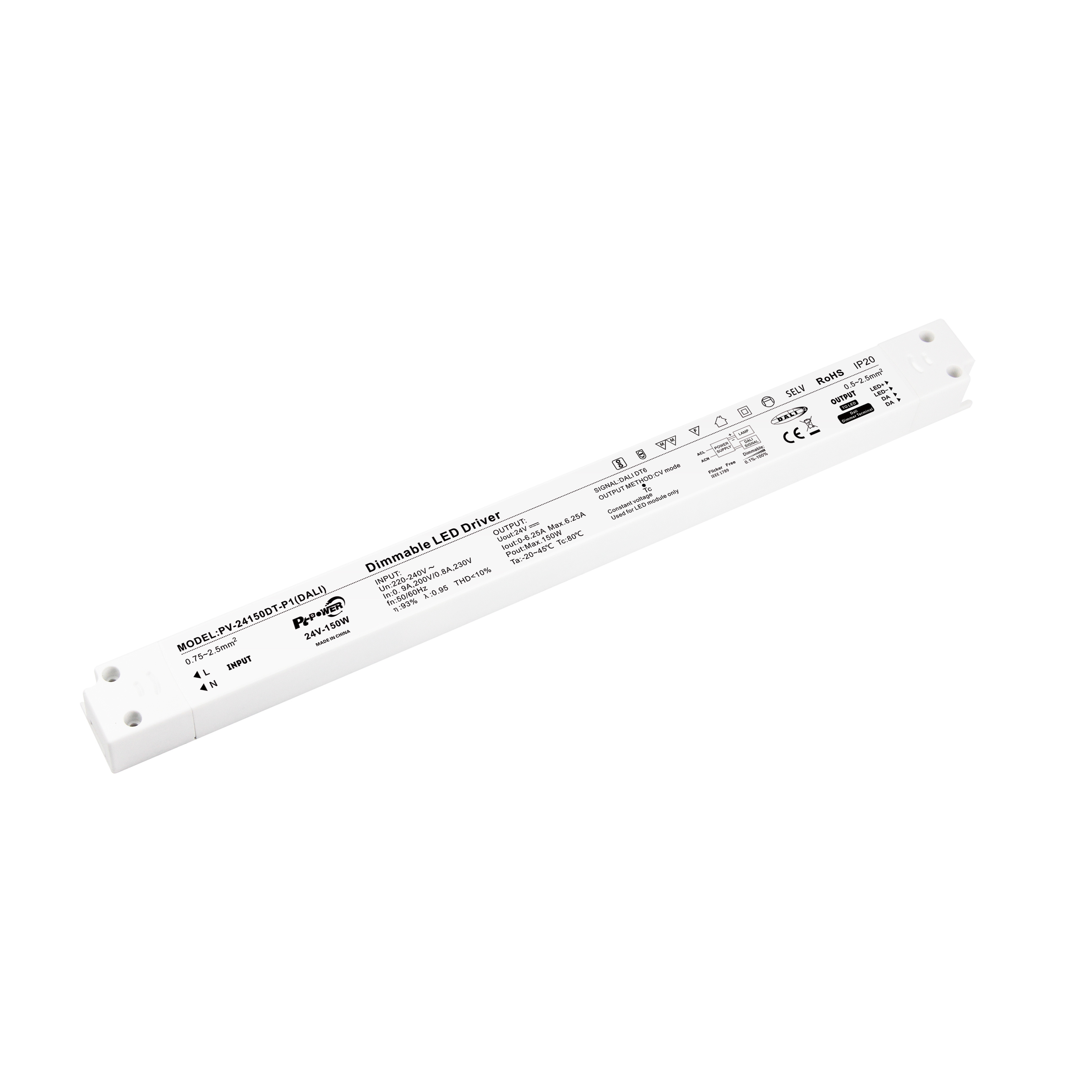
When it comes to enhancing outdoor spaces, landscape lighting plays a pivotal role, not only in aesthetics but also in safety and functionality. Central to this lighting system is the LED power supply, which ensures that your landscape lighting operates efficiently and effectively. Understanding the nuances of LED power supplies can help you make informed decisions for your outdoor projects.
First and foremost, LED power supplies, also known as drivers, convert the high-voltage electricity from your home into low-voltage electricity suitable for LED fixtures. This conversion is crucial, as LEDs require a specific voltage and constant current to function optimally. Using the wrong power supply can lead to poor performance, flickering lights, or even permanent damage to the LED fixtures.
A key consideration when selecting an LED power supply for landscape lighting is the wattage. It is essential to choose a power supply that can handle the cumulative wattage of all the LED fixtures you plan to install. For instance, if you have several LED lights that total 50 watts, your power supply should be rated for at least that amount, preferably with some additional capacity to ensure longevity and reliability.
Another important factor is the type of power supply: constant voltage or constant current. Constant voltage power supplies are commonly used for LED landscape lighting, as they provide a steady voltage output, making them ideal for systems where multiple lights are connected parallelly. On the other hand, constant current drivers are more suited for specific applications where the current must be kept at a precise level, often used in more specialized setups.
Moreover, weather resistance is a significant feature for landscape lighting power supplies. Since these units are often installed outdoors, they should be rated for wet or damp locations to handle exposure to moisture and varying temperatures. Look for power supplies with an IP rating that indicates their level of protection against dust and water ingress.
In addition to these technical specifications, consider the installation ease and compatibility with existing systems. Some LED power supplies come with built-in features like dimming capabilities or remote operation, which can enhance functionality and convenience.
Lastly, proper installation is crucial to ensure safety and optimal performance. It is recommended to consult with or hire a professional electrician for the installation process, especially if you are unfamiliar with electrical systems. They can ensure that the power supply is correctly integrated into your landscape lighting setup, preventing potential hazards.
In summary, understanding LED power supplies for landscape lighting is vital for anyone looking to illuminate their outdoor spaces. By considering wattage, type, weather resistance, and professional installation, you can ensure a successful and beautiful lighting project that enhances your outdoor environment.


Message consultation
* Note: Please be sure to fill in the information accurately and keep the communication unblocked, we will get in touch with you as soon as possible
COPYRIGHT 2024 Zhuhai Ptpower Electronic Technology Co., Ltd.
Powered By 300.cn Privacy Policy Digital business card
Sorry, there is currently no content in the current column
You can check other sections
Business License