Zhuhai Ptpower Electronic Technology Co., Ltd.


Transform Your Garden: The Definitive Guide to LED Power Supplies for Landscape Lighting
2026-02-23
Transform Your Garden: The Definitive Guide to LED Power Supplies for Landscape Lighting
In today’s fast-paced world, creating a serene garden environment is a sanctuary for relaxation and enjoyment. One of the key elements to achieving this is effective landscape lighting. With the rise of LED technology, choosing the right power supply for your garden lighting has never been more crucial. In this detailed guide, we will explore everything you need to know about LED power supplies for landscape lighting, ensuring your outdoor space shines brightly while being energy efficient.
Table of Contents
- Why Choose LED Landscape Lighting?
- Understanding LED Power Supplies
- Types of LED Power Supplies
- Selecting the Right Power Supply for Your Garden
- Installing LED Power Supplies Safely
- Common Mistakes to Avoid When Using LED Power Supplies
- Maintaining Your LED Lighting System
- Conclusion
- FAQs
Why Choose LED Landscape Lighting?
LED landscape lighting has transformed the way we illuminate our outdoor spaces. The advantages of LED lights extend beyond aesthetics; they offer energy efficiency, longevity, and versatility. Unlike traditional incandescent bulbs, LEDs consume significantly less power and last much longer, reducing replacement costs and energy bills. Furthermore, their low heat output minimizes fire hazards, making them a safer choice for outdoor use.
In addition to being environmentally friendly, LED lights come in various styles and color temperatures, allowing homeowners to customize their lighting designs. Whether you desire a soft, warm glow or a bright daylight effect, there’s an LED option to fit your vision. Moreover, LED lights are highly durable, resisting weather elements and impacts that often damage other lighting types.
Understanding LED Power Supplies
When it comes to LED landscape lighting, the power supply acts as the heart of the system. It regulates the voltage and current supplied to the LED fixtures, ensuring they function optimally. A reliable power supply is essential for maintaining the lifespan of your LED lights and preventing flickering or premature failure.
LED power supplies come in various configurations, including constant voltage and constant current types. Understanding the differences between these two can help you choose the best option for your lighting system. Constant voltage supplies are typically used for LED strips and fixtures that require a consistent voltage level (e.g., 12V or 24V), while constant current supplies are designed for high-power LEDs that need a specific current level to operate efficiently.
Types of LED Power Supplies
1. Constant Voltage Power Supplies
Constant voltage power supplies provide a steady voltage output, making them ideal for applications where multiple LED lights need to operate at the same voltage. These supplies are commonly available in 12V and 24V configurations and are widely used in landscape lighting setups.
2. Constant Current Power Supplies
Constant current power supplies ensure that a specific current flows through the LEDs, making them suitable for high-powered applications. These supplies are typically used in commercial installations or high-intensity landscape lighting setups.
3. Dimmable Power Supplies
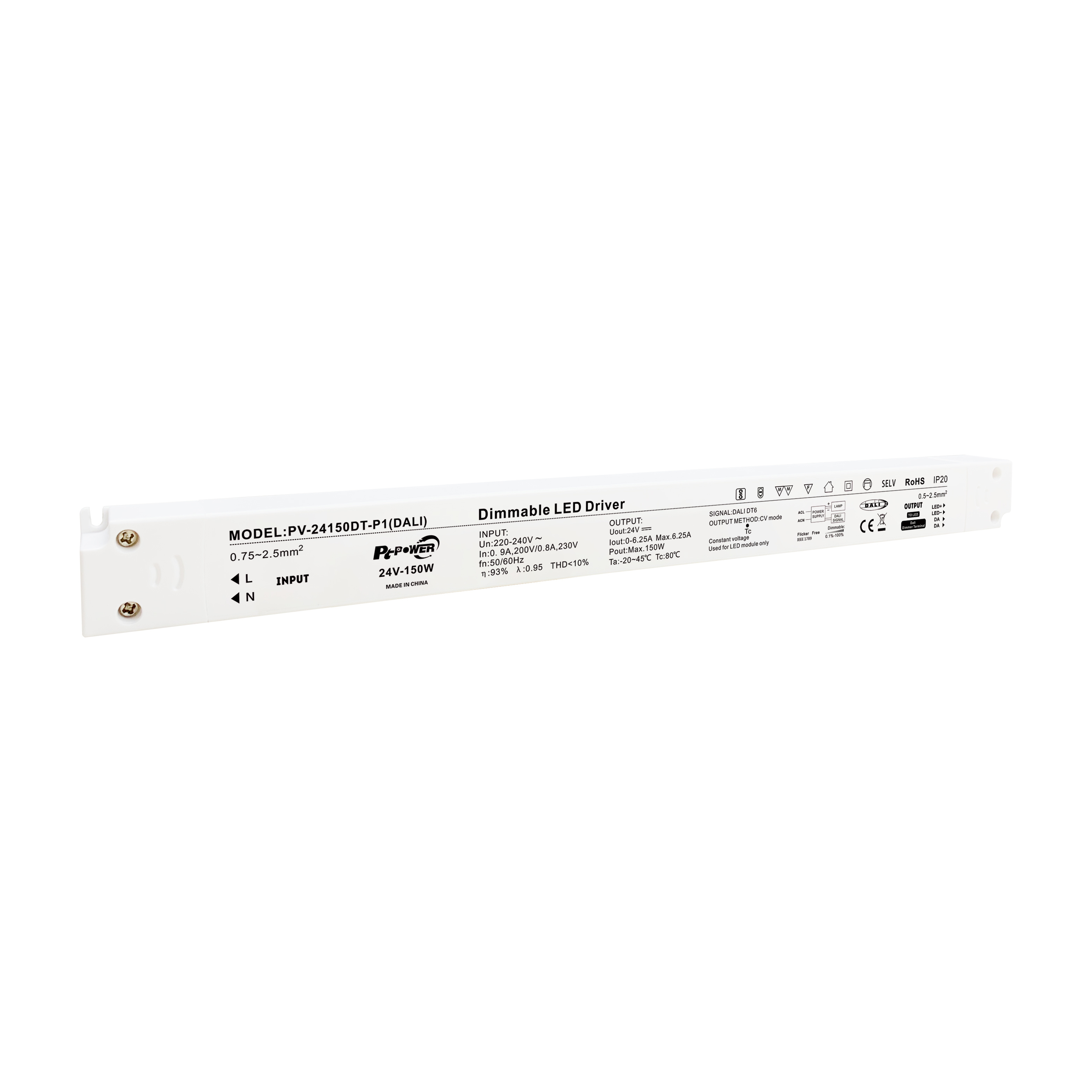
Dimmable power supplies allow you to adjust the brightness of your LED lights, providing flexibility in creating different moods in your garden. Using a compatible dimmer switch, you can easily control the ambiance of your outdoor space.
4. Waterproof Power Supplies
For outdoor applications, waterproof power supplies are essential. These units are designed to withstand moisture and harsh weather conditions, ensuring reliable performance and longevity of your landscape lighting system.
Selecting the Right Power Supply for Your Garden
Choosing the right power supply for your LED landscape lighting involves several considerations:
- Voltage Requirements: Ensure that the power supply matches the voltage requirements of your LED fixtures. Most LED landscape lights operate at either 12V or 24V.
- Wattage Calculation: Calculate the total wattage of all LED fixtures you plan to use. Always select a power supply that can handle at least 20% more wattage than your total to avoid overloading.
- Environmental Considerations: If your lights will be exposed to the elements, opt for waterproof power supplies to protect against moisture and corrosion.
- Features: Consider whether you need dimmable capabilities or additional features like remote control or programmable settings.
Installing LED Power Supplies Safely
Proper installation of LED power supplies is crucial for safe and efficient operation. Here are some essential steps to follow:
Step 1: Gather Your Tools
Before starting the installation, gather the necessary tools, including wire cutters, wire strippers, connectors, and a screwdriver.
Step 2: Turn Off Power
Ensure that the power to the circuit is turned off before working with electrical components to prevent shocks or accidents.
Step 3: Connect Wiring
Carefully connect the wiring from your LED fixtures to the power supply, following the manufacturer’s instructions. Ensure that all connections are secure to prevent short circuits.
Step 4: Test the System
Once everything is connected, turn the power back on and test your LED lights to ensure they are functioning correctly. Check for any flickering or dimming, which may indicate an issue with your power supply.
Common Mistakes to Avoid When Using LED Power Supplies
To ensure the longevity and efficiency of your LED lighting system, avoid these common pitfalls:
- Overloading the Power Supply: Always calculate your total wattage and choose a power supply that exceeds this by at least 20% to avoid overheating.
- Ignoring Voltage Compatibility: Ensure your power supply matches the voltage requirements of your LED fixtures to prevent damage.
- Neglecting Proper Installation: Follow installation guidelines carefully to avoid safety hazards and ensure the longevity of your lighting system.
- Choosing Low-Quality Supplies: Invest in reputable brands and high-quality power supplies to enhance reliability and performance.
Maintaining Your LED Lighting System
Regular maintenance can prolong the life of your LED landscape lighting. Here are some maintenance tips:
1. Periodic Inspections
Check your LED fixtures and power supplies regularly for any signs of wear, damage, or corrosion. This ensures that you can address issues before they escalate.
2. Clean Your Fixtures
Keep your LED fixtures clean from dirt and debris to maximize their brightness. Use a soft cloth and mild detergent to avoid scratching the surface.
3. Monitor Power Supplies
Pay attention to the performance of your power supplies. If you notice flickering or inconsistent operation, it may indicate that your power supply needs replacement.
4. Landscape Maintenance
Regularly maintain your garden’s landscaping to ensure that foliage does not obstruct your lighting. Trim bushes and plants that may block light or create shadows.
Conclusion
Transforming your garden into a beautiful and inviting space is achievable with the right LED landscape lighting and power supplies. By understanding the fundamentals of LED power supplies, selecting the appropriate equipment, and installing it carefully, you can create a stunning outdoor environment that enhances your home’s aesthetic appeal. Remember to maintain your lighting system regularly to ensure efficiency and longevity. With these insights, you are well on your way to creating a captivating garden oasis.
FAQs
1. What is the lifespan of LED landscape lighting?
LED landscape lighting typically lasts between 25,000 to 50,000 hours, significantly longer than traditional incandescent bulbs.
2. Can I use a regular power supply for my LED lights?
No, it’s essential to use a power supply specifically designed for LEDs, as they regulate voltage and current appropriately for safe operation.
3. How do I know which wattage power supply to choose?
Calculate the total wattage of your LED fixtures and choose a power supply that exceeds this figure by at least 20% to ensure optimal performance.
4. Are there dimmable LED power supplies?
Yes, there are dimmable LED power supplies available, allowing you to control the brightness of your landscape lighting for various moods.
5. How do I protect my power supply from the elements?
Opt for waterproof power supplies and install them in locations that minimize exposure to moisture and harsh weather conditions.


Message consultation
* Note: Please be sure to fill in the information accurately and keep the communication unblocked, we will get in touch with you as soon as possible
COPYRIGHT 2024 Zhuhai Ptpower Electronic Technology Co., Ltd.
Powered By 300.cn Privacy Policy Digital business card