Zhuhai Ptpower Electronic Technology Co., Ltd.


Key Features to Look for in LED Power Supplies for Stunning Landscape Lighting
2026-03-09
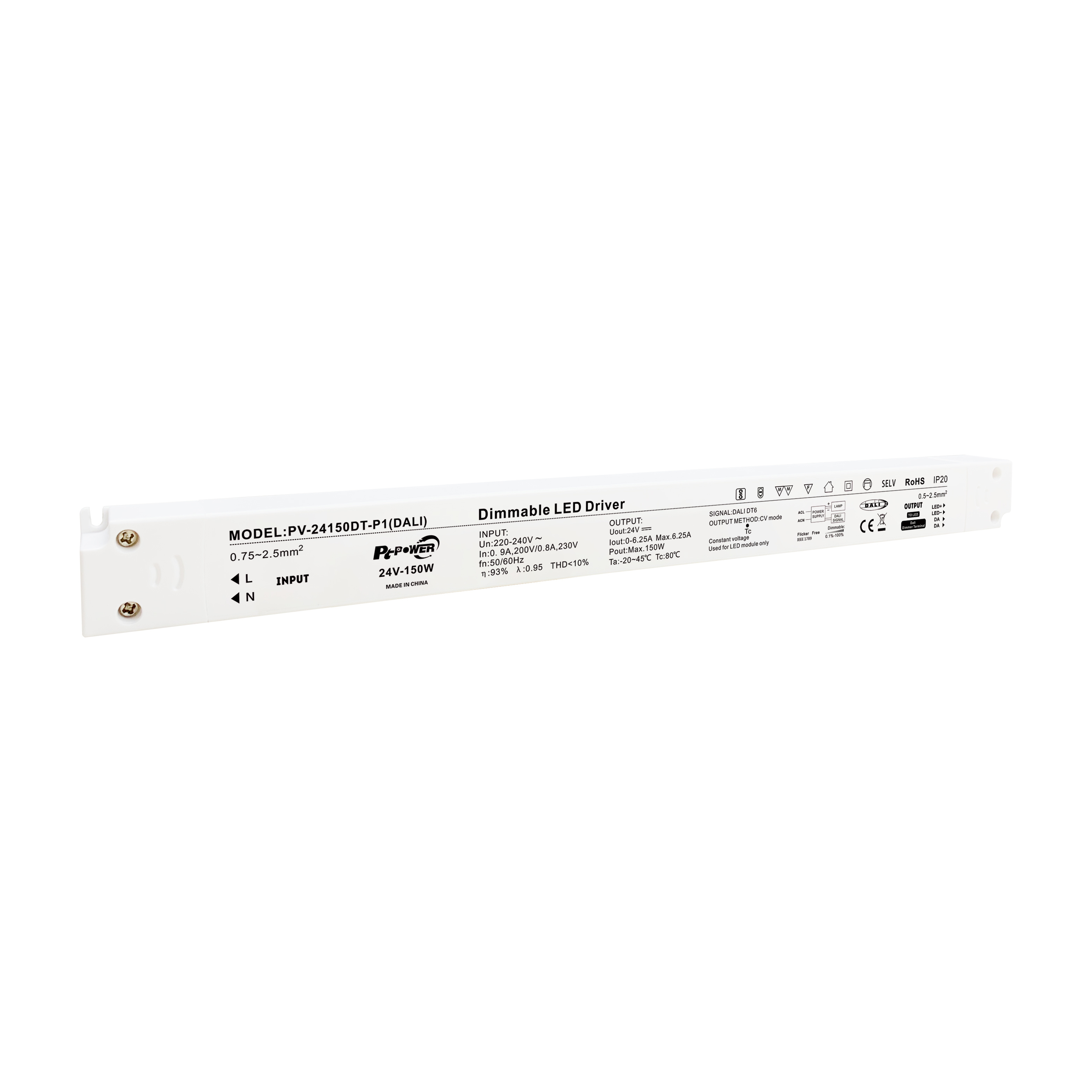
Key Features to Look for in LED Power Supplies for Stunning Landscape Lighting
Introduction: The Importance of LED Power Supplies in Landscape Lighting
When it comes to creating a stunning outdoor space, landscape lighting plays a pivotal role. The right lighting not only enhances the beauty of your landscape but also provides safety and security during nighttime. However, the backbone of effective landscape lighting lies in the **power supplies** that drive these LED fixtures. Understanding the key features of LED power supplies is essential for anyone looking to elevate their landscape lighting project. In this article, we will explore the most important factors to consider when selecting LED power supplies to ensure optimal performance, efficiency, and longevity.
Table of Contents
1. Understanding LED Power Supplies
2. The Importance of Quality in LED Power Supplies
3. Key Features to Consider
- 3.1 Wattage Capacity
- 3.2 Input and Output Voltage
- 3.3 Efficiency Rating
- 3.4 Dimming Capabilities
- 3.5 Waterproof Rating
4. Installation Considerations for LED Power Supplies
5. Best Practices for Maintaining LED Power Supplies
6. Troubleshooting Common Issues with LED Power Supplies
7. Future Trends in LED Power Supplies for Landscape Lighting
8. Conclusion
9. Frequently Asked Questions
Understanding LED Power Supplies
LED power supplies are essential components that convert electrical energy into a form suitable for LED lighting. They play a crucial role in ensuring that your landscape lighting performs optimally. Understanding how these power supplies function is vital for selecting the right one for your needs.
LED fixtures typically require a stable power source to operate. Unlike traditional incandescent bulbs, LEDs operate on low voltage, which necessitates the use of a power supply that can convert the standard voltage from your household electrical system to the desired voltage for the LED fixtures. This conversion is not only necessary for operation but also for efficiency and longevity of the LEDs.
The Importance of Quality in LED Power Supplies
Choosing a high-quality LED power supply is paramount. A subpar power supply can lead to flickering lights, reduced lifespan of the LED fixtures, and potential safety hazards. Quality power supplies ensure that your landscape lighting operates smoothly and efficiently, providing consistent illumination and enhancing the aesthetic appeal of your outdoor space. Investing in quality can save you money in the long run by reducing maintenance costs and prolonging the life of your lighting system.
Key Features to Consider
When selecting LED power supplies for landscape lighting, there are several critical features that should be taken into account:
Wattage Capacity
The wattage capacity of an LED power supply is one of the most important specifications. It determines how many LED fixtures can be connected to a single power supply. Choosing a power supply with insufficient wattage can lead to overloading, resulting in flickering lights or complete failure of your lights. Always calculate the total wattage of all connected fixtures and select a power supply with a capacity that exceeds this total by at least 20%.
Input and Output Voltage
LED power supplies come in various input and output voltage ratings. It’s crucial to ensure that the input voltage matches your electrical system, typically 120V or 240V. The output voltage must match the requirements of your LED fixtures, commonly 12V or 24V. Mismatched voltages can cause damage to your fixtures or lead to inefficient performance.
Efficiency Rating
Efficiency ratings are critical for determining how much power is wasted during the conversion process. A higher efficiency rating indicates that more energy is being converted into usable power for your LED fixtures. Look for power supplies with an efficiency rating of 85% or higher to minimize energy loss and reduce electricity costs.
Dimming Capabilities
Dimming capabilities add versatility to your landscape lighting. If you want flexibility in adjusting brightness levels, choose power supplies that support dimming features. Ensure that both the power supply and the LED fixtures are compatible for dimming functionality to achieve the desired lighting effects.
Waterproof Rating
Since landscape lighting is exposed to the elements, selecting a power supply with an adequate waterproof rating is essential. Look for power supplies with an IP (Ingress Protection) rating of at least IP65. This rating indicates that the unit is protected against dust and water, ensuring reliable operation in outdoor environments.
Installation Considerations for LED Power Supplies
Proper installation is vital for the performance and safety of your LED power supplies. Here are some key considerations:
- **Location**: Choose a dry, well-ventilated location for installation. Avoid placing power supplies in areas prone to moisture unless they are specifically rated for such conditions.
- **Accessibility**: Ensure that the power supply is easily accessible for maintenance. This will make it easier to troubleshoot issues or replace the unit if necessary.
- **Wiring**: Use appropriate wiring and connectors that match the voltage and current requirements of your LED fixtures. Incorrect wiring can lead to overheating and failure of the system.
- **Compliance**: Ensure that your installation complies with local electrical codes and regulations. Consulting with a qualified electrician can help ensure that all safety standards are met.
Best Practices for Maintaining LED Power Supplies
To maximize the lifespan and performance of your LED power supplies, follow these best practices:
- **Regular Inspections**: Periodically check the power supply and associated wiring for signs of wear, damage, or corrosion. Address any issues promptly to prevent failures.
- **Dust and Debris Management**: Keep the area around the power supply clean and free from dust and debris. This will help maintain optimal airflow and prevent overheating.
- **Monitor Performance**: Keep an eye on the performance of your landscape lighting. Flickering lights or inconsistent brightness can indicate issues with the power supply.
- **Upgrade When Necessary**: As your landscape lighting needs change, be prepared to upgrade your power supply to accommodate additional fixtures or enhanced features.
Troubleshooting Common Issues with LED Power Supplies
Even the best power supplies may encounter issues. Here are some common problems and their solutions:
- **Flickering Lights**: This can result from an overloaded power supply or incompatible dimming features. Check the wattage capacity and ensure compatibility between the power supply and fixtures.
- **No Power**: If the lights do not turn on, check the power supply connections, ensure that the unit is plugged in, and verify that the input voltage is correct.
- **Overheating**: If the power supply becomes excessively hot, it may be due to improper ventilation or an overload. Ensure that the installation location allows for adequate airflow and verify that the wattage capacity is not exceeded.
Future Trends in LED Power Supplies for Landscape Lighting
As technology advances, several trends are emerging in the realm of LED power supplies:
- **Smart Power Supplies**: With the rise of smart home technology, power supplies that can be controlled remotely via apps or voice commands are becoming increasingly popular. These units offer enhanced control over landscape lighting and energy management.
- **Higher Efficiency Models**: The push for energy efficiency is leading to the development of power supplies with higher efficiency ratings, further reducing energy consumption and costs.
- **Integration with Renewable Energy**: Combining LED power supplies with solar panels and other renewable energy sources is becoming more common, providing sustainable and eco-friendly lighting options for landscapes.
Conclusion
Selecting the right LED power supply is crucial for achieving stunning landscape lighting. By understanding the key features, installation considerations, and maintenance practices, you can ensure that your outdoor lighting system operates efficiently and effectively. Investing in quality power supplies not only enhances the beauty of your landscape but also provides long-term benefits in terms of performance and energy savings. With the right knowledge and careful selection, you can illuminate your outdoor spaces beautifully and sustainably.
Frequently Asked Questions
1. What is the ideal wattage for my LED power supply?
The ideal wattage for your LED power supply should exceed the total wattage of your connected fixtures by at least 20% to prevent overloading.
2. Can I use any power supply with my LED lights?
No, you must use a power supply that matches the input and output voltage specifications of your LED lights for optimal performance.
3. How do I ensure my power supply is waterproof?
Choose a power supply with an IP rating of at least IP65, indicating it is suitable for outdoor use and protected against dust and water.
4. What should I do if my landscape lights flicker?
Check the wattage capacity of your power supply and verify that it is compatible with your fixtures. You may also need to inspect wiring and connections.
5. Are there energy-efficient options for LED power supplies?
Yes, look for power supplies with an efficiency rating of 85% or higher to minimize energy loss and reduce electricity costs.


Message consultation
* Note: Please be sure to fill in the information accurately and keep the communication unblocked, we will get in touch with you as soon as possible
COPYRIGHT 2024 Zhuhai Ptpower Electronic Technology Co., Ltd.
Powered By 300.cn Privacy Policy Digital business card