Zhuhai Ptpower Electronic Technology Co., Ltd.


Illuminate Your Outdoors: Choosing the Right LED Power Supply for Landscape Lighting
2025-03-19
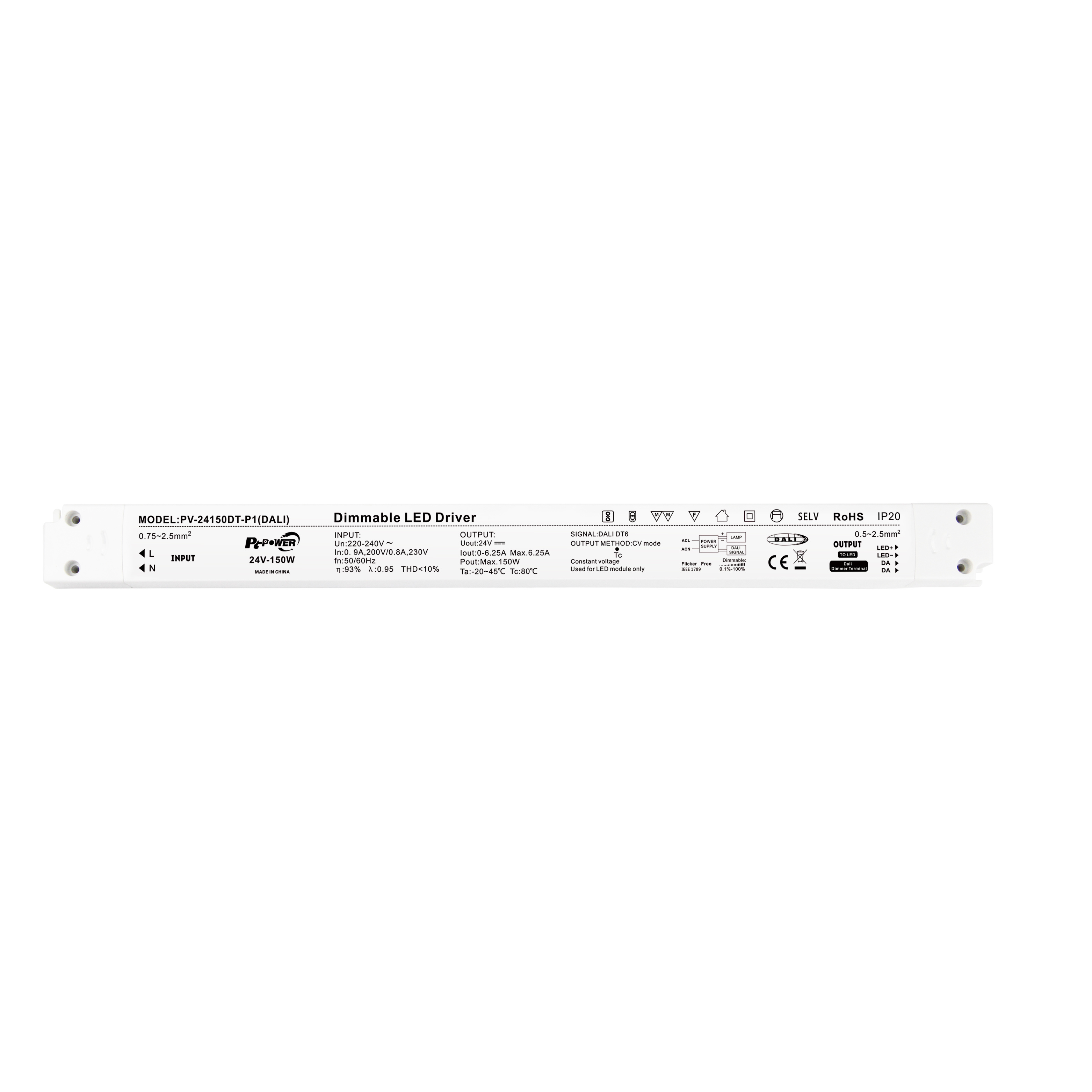
Illuminate Your Outdoors: Choosing the Right LED Power Supply for Landscape Lighting
Table of Contents
- 1. Introduction to LED Landscape Lighting
- 2. Understanding LED Power Supplies
- 3. Types of LED Power Supplies
- 4. Choosing the Right Power Supply for Your Landscape Lighting
- 4.1 Consider Your Power Requirements
- 4.2 Evaluate Environmental Conditions
- 4.3 Budget and Energy Efficiency
- 5. Installation Tips for LED Power Supplies
- 6. Maintaining Your LED Lighting System
- 7. Conclusion
- 8. Frequently Asked Questions (FAQs)
1. Introduction to LED Landscape Lighting
The charm of outdoor spaces can be significantly enhanced by carefully designed landscape lighting. **LED landscape lighting** not only beautifies your property but also increases safety and functionality. The key to achieving the perfect illumination lies in choosing the right **LED power supply**, which serves as the backbone of your lighting system.
In this article, we will delve into the essential factors to consider when selecting an LED power supply for landscape lighting, ensuring your outdoor areas are well-lit, energy-efficient, and visually appealing.
2. Understanding LED Power Supplies
LED power supplies are crucial components that convert the electrical input from your home’s power source into usable energy for your LED lighting fixtures. They control the voltage and current flowing to the lights, ensuring optimal performance and longevity.
**Understanding how these power supplies work** is essential for making informed decisions about your landscape lighting. Power supplies come in two main types: **constant voltage** and **constant current**, which cater to different lighting requirements.
3. Types of LED Power Supplies
3.1 Constant Voltage Power Supplies
Constant voltage power supplies deliver a fixed voltage output, making them suitable for LED fixtures that require a specific voltage to operate effectively. These supplies are commonly used in low-voltage LED systems, providing stable performance across multiple lights connected in parallel.
An example of constant voltage is a **12V power supply**, which is widely used in residential landscape lighting. Choosing this type allows for easy expansion of your lighting system as you can add more fixtures without worrying about overloading the power supply.
3.2 Constant Current Power Supplies
Constant current power supplies, on the other hand, regulate the current flowing to the LEDs, making them ideal for applications where specific current levels are critical. This type is often used in professional or commercial setups where precise lighting control is necessary.
Constant current supplies are more complex and can be less flexible regarding the number of lights you can connect. However, they are invaluable for specialized installations requiring consistent light output across various fixtures.
4. Choosing the Right Power Supply for Your Landscape Lighting
Selecting the right power supply involves several considerations to ensure that your landscape lighting functions optimally.
4.1 Consider Your Power Requirements
Begin by calculating the total wattage of your LED fixtures. This will guide you in choosing a power supply that meets or exceeds this wattage to ensure sufficient power. A common practice is to add a safety margin, typically 20%, to the total wattage to account for power losses and ensure reliability.
4.2 Evaluate Environmental Conditions
Environmental factors play a significant role in your choice of power supply. Outdoor installations may expose power supplies to moisture, temperature fluctuations, and UV rays. Opting for **weatherproof or waterproof power supplies** can prevent potential damage and prolong the lifespan of your lighting system.
Additionally, consider the installation location. If the power supply is placed in a location prone to flooding, ensure it is rated for such conditions.
4.3 Budget and Energy Efficiency
While it can be tempting to go for the cheapest option available, investing in a high-quality LED power supply can lead to significant long-term savings. Higher-quality power supplies tend to be more energy-efficient, reducing your electricity bills.
Look for power supplies with high efficiency ratings, typically above 85%. This not only supports better environmental sustainability but also minimizes heat generation, which can otherwise damage your LEDs and reduce their lifespan.
5. Installation Tips for LED Power Supplies
Proper installation of your LED power supply is crucial for the performance and safety of your landscape lighting system. Here are some key tips to keep in mind:
1. **Follow Manufacturer Guidelines**: Always refer to the manufacturer's installation instructions for specific guidance on wiring and connections.
2. **Use Proper Connectors**: Utilize connectors that are rated for outdoor use to ensure a safe and weather-tight seal.
3. **Secure the Power Supply**: Ensure that the power supply is securely mounted to prevent movement that could lead to damage or disconnection.
4. **Test Before Finalizing**: Before sealing any connections, test your lighting setup to ensure everything operates correctly.
5. **Consider a Timer or Smart Control**: Integrate timers or smart home technology to automate your lighting system, enhancing convenience and energy savings.
6. Maintaining Your LED Lighting System
Regular maintenance is key to extending the life of your landscape lighting system. Here are some maintenance tips:
- **Clean Fixtures Regularly**: Dirt and debris can diminish light output. Clean your fixtures periodically to ensure maximum brightness.
- **Inspect Connections**: Check all wiring and connections for signs of wear or corrosion, especially after heavy rains or storms.
- **Replace Faulty Components**: If you notice any flickering lights or dimming, check the power supply and replace it if necessary.
- **Upgrade When Needed**: As technology advances, consider upgrading to newer, more efficient lighting solutions as they become available.
7. Conclusion
Selecting the right LED power supply for your landscape lighting is essential for achieving a beautiful and functional outdoor space. By understanding the types of power supplies available, assessing your specific needs, and following proper installation and maintenance practices, you can ensure that your landscape lighting remains a source of enjoyment and safety for years to come.
Investing time in these considerations not only enhances the aesthetics of your property but also contributes to energy efficiency, making your outdoor experience more sustainable.
8. Frequently Asked Questions (FAQs)
What is the difference between constant voltage and constant current power supplies?
Constant voltage power supplies deliver a fixed voltage output, while constant current supplies regulate the current, providing precise control for specific applications.
How do I calculate the total wattage needed for my landscape lighting?
Add up the wattage of each LED fixture you plan to use, then add an additional 20% as a safety margin.
Can I use indoor power supplies for outdoor lighting?
No, indoor power supplies typically lack the necessary weatherproofing and durability for outdoor environments. Always use outdoor-rated power supplies for landscape lighting.
How often should I maintain my LED lighting system?
Periodic maintenance is recommended, ideally every six months, to clean fixtures, inspect connections, and ensure proper operation.
What should I look for in energy-efficient LED power supplies?
Look for power supplies with efficiency ratings above 85%, which will minimize energy loss and reduce heat generation.
With this comprehensive guide, we hope to equip you with the knowledge needed to illuminate your outdoors effectively while ensuring energy efficiency and durability in your landscape lighting projects.


Message consultation
* Note: Please be sure to fill in the information accurately and keep the communication unblocked, we will get in touch with you as soon as possible
COPYRIGHT 2024 Zhuhai Ptpower Electronic Technology Co., Ltd.
Powered By 300.cn Privacy Policy Digital business card
Sorry, there is currently no content in the current column
You can check other sections
Business License