Zhuhai Ptpower Electronic Technology Co., Ltd.


Essential Insights into LED Power Supply for Landscape Lighting
2025-03-22
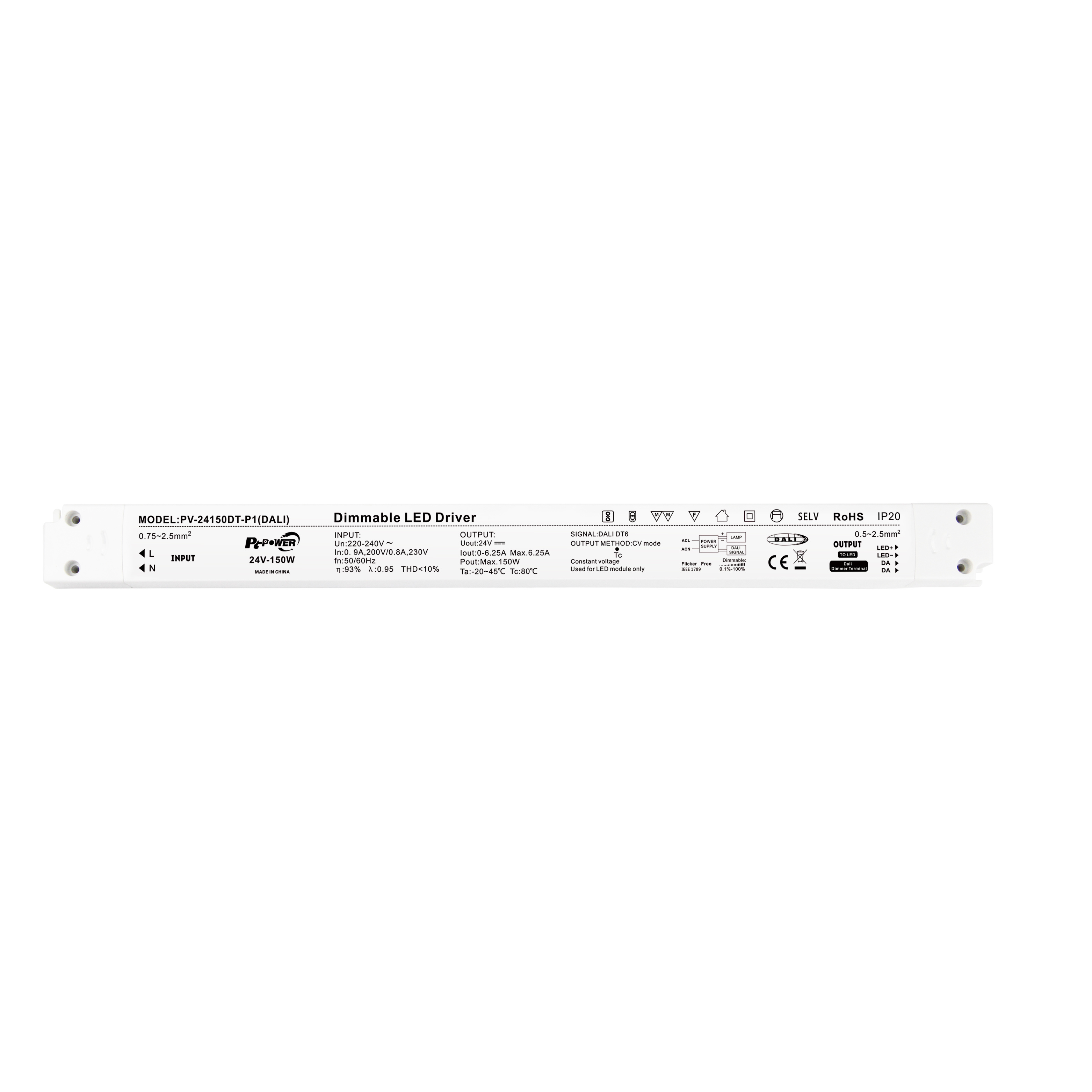
When designing landscape lighting, selecting the proper LED power supply is paramount for achieving optimal performance and energy efficiency. LED power supplies serve as the backbone of any landscape lighting system, providing the necessary voltage and current to ensure the LEDs operate effectively and efficiently. Understanding the various aspects of LED power supplies for landscape lighting can help professionals make informed decisions that enhance both aesthetic appeal and functionality.
One of the primary functions of an LED power supply is to convert the incoming voltage to a level suitable for the LEDs. Most LED landscape lights require a low-voltage input, usually between 12 to 24 volts, depending on the specific application. This conversion is crucial because LEDs are sensitive to voltage fluctuations. An appropriate power supply will maintain a steady voltage level, ensuring the longevity of the lighting fixtures while preventing flickering or dimming.
Another important consideration when choosing an LED power supply is its wattage rating. The power supply should be rated to handle the total wattage of all the connected LED fixtures. A common recommendation is to select a power supply with a capacity exceeding the total wattage of the LEDs by 20% to allow for safe operation and avoid overloading. This buffer not only enhances performance but also prolongs the lifespan of both the power supply and the LED lights.
Efficiency is another key factor. High-efficiency LED power supplies convert a greater percentage of the input power into usable output power, minimizing energy loss. This is particularly important in landscape lighting applications, where the goal is to create beautiful outdoor environments without incurring excessive energy costs. Many modern LED power supplies boast efficiencies above 90%, making them an environmentally friendly choice.
Additionally, it is essential to consider the environmental conditions under which the power supply will operate. Outdoor installations may expose the power supply to moisture, dust, and temperature variations. Choosing a power supply with an appropriate ingress protection (IP) rating ensures that it is robust enough to withstand these elements, thereby preventing premature failure.
Finally, installation and maintenance considerations should not be overlooked. Properly installing the LED power supply in a location that allows for easy access can simplify maintenance tasks. Using connectors that are corrosion-resistant can further enhance the durability of the entire system.
In summary, selecting the right LED power supply for landscape lighting involves understanding voltage and wattage requirements, efficiency considerations, environmental ratings, and installation practices. A well-chosen power supply will not only improve the reliability of the lighting system but also contribute to the overall enjoyment and functionality of outdoor spaces. By prioritizing these factors, professionals can ensure that their landscape lighting solutions are both effective and sustainable.


Message consultation
* Note: Please be sure to fill in the information accurately and keep the communication unblocked, we will get in touch with you as soon as possible
COPYRIGHT 2024 Zhuhai Ptpower Electronic Technology Co., Ltd.
Powered By 300.cn Privacy Policy Digital business card
Sorry, there is currently no content in the current column
You can check other sections
Business License