Zhuhai Ptpower Electronic Technology Co., Ltd.


Understanding LED Power Supplies for Outdoor Applications: A Comprehensive Guide
2025-03-28
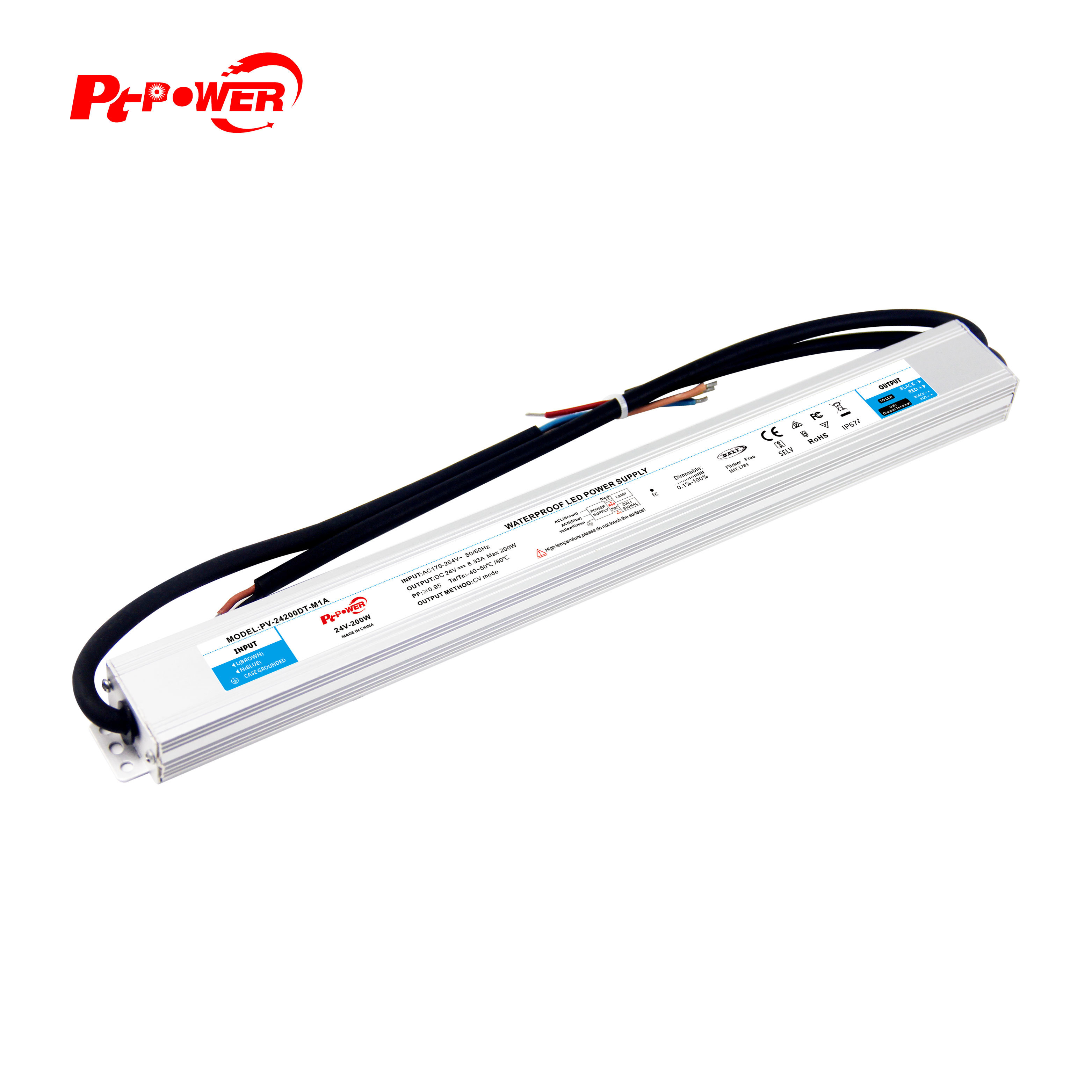
In recent years, LED technology has gained immense popularity for outdoor lighting solutions due to its energy efficiency, longevity, and versatility. However, to harness the full potential of LEDs, a reliable LED power supply is essential, especially in outdoor applications. This article explores what LED power supplies are, their significance, and important factors to consider when selecting one for outdoor use.
LED power supplies, or drivers, are responsible for converting the input voltage from a standard power source to the voltage required by LED lights. Unlike traditional incandescent bulbs, LEDs require a specific type of current to operate effectively, making the quality of the power supply pivotal for optimal performance. In outdoor settings, where environmental conditions can be unpredictable, the importance of a robust and reliable power supply cannot be overstated.
One of the primary advantages of LED power supplies for outdoor applications is their ability to withstand harsh weather conditions. These power supplies are typically designed to be waterproof and resistant to UV rays, ensuring longevity and consistent performance. Look for power supplies that adhere to IP (Ingress Protection) ratings, which indicate their effectiveness against dust and moisture. An IP65 rating or higher is generally recommended for outdoor use to ensure that the power supply can withstand rain and other environmental challenges.
Another critical aspect to consider is the power output. LED power supplies are available in various wattages, and selecting the appropriate one is essential for ensuring that your LED lights function correctly. Underpowering LEDs can lead to flickering or failure, while overpowering them may result in overheating and damage. It's important to calculate the total wattage required for your LED fixtures and choose a power supply that can accommodate that load comfortably, typically with a little extra capacity to account for potential fluctuations.
Additionally, compatibility with dimming systems is another factor to keep in mind. Many outdoor LED applications benefit from dimmable features, allowing users to adjust brightness according to preferences or environmental conditions. Ensure that the power supply you choose is compatible with the type of dimming technology you plan to implement.
In conclusion, LED power supplies are fundamental components in outdoor lighting systems, significantly influencing performance and reliability. When selecting a power supply for outdoor applications, consider factors such as environmental protection, power output, and dimming compatibility. By understanding these elements, you can ensure that your LED lighting systems operate optimally, providing both efficiency and aesthetic appeal for outdoor spaces.


Message consultation
* Note: Please be sure to fill in the information accurately and keep the communication unblocked, we will get in touch with you as soon as possible
COPYRIGHT 2024 Zhuhai Ptpower Electronic Technology Co., Ltd.
Powered By 300.cn Privacy Policy Digital business card
Sorry, there is currently no content in the current column
You can check other sections
Business License