Zhuhai Ptpower Electronic Technology Co., Ltd.


The Science Behind LED Power Supplies for Outdoor Applications
2025-03-31
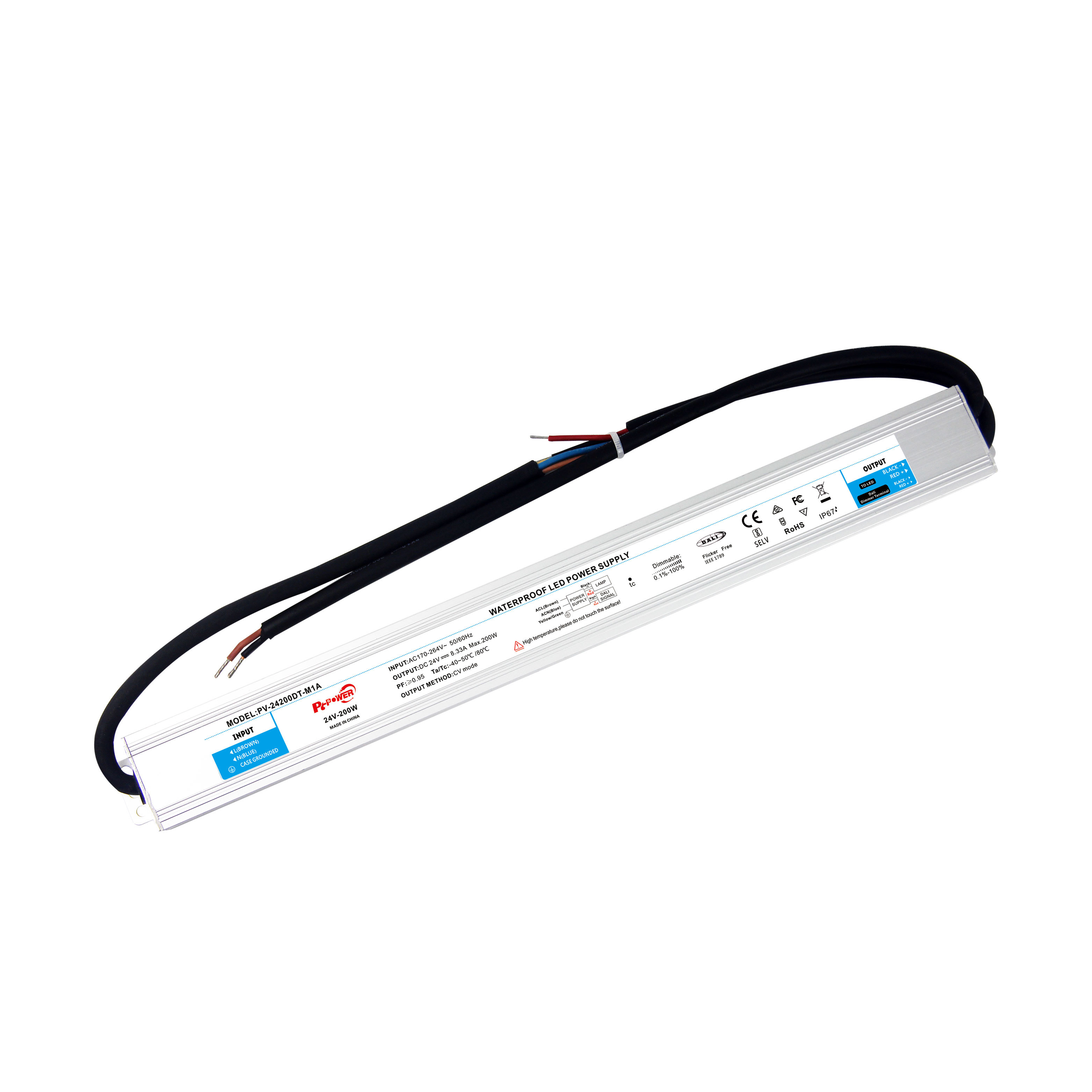
The Science Behind LED Power Supplies for Outdoor Applications
In an era where energy efficiency and sustainability take center stage, LED lighting has surged in popularity, particularly for outdoor applications. However, the efficacy of LED technology hinges on the power supplies that drive them. This article uncovers the science behind LED power supplies, focusing on their design, function, advantages, and compatibility in outdoor settings. We delve into key considerations for selecting the right power supply and explore future trends shaping this vital component of outdoor lighting.
Table of Contents
- 1. Introduction to LED Power Supplies
- 2. Understanding LED Technology
- 3. The Function of LED Power Supplies
- 4. Types of LED Power Supplies for Outdoor Applications
- 5. Advantages of Using LED Power Supplies
- 6. Selecting the Right LED Power Supply
- 7. Compatibility with LED Systems
- 8. Future Trends in LED Power Supply Technology
- 9. Frequently Asked Questions
- 10. Conclusion
1. Introduction to LED Power Supplies
LED power supplies, also known as LED drivers, are essential devices that provide the correct voltage and current to LED lights. Without these power supplies, LED systems would not function optimally, leading to reduced efficiency and increased failure rates. In outdoor applications, where reliability, durability, and performance are critical, understanding the science behind LED power supplies becomes paramount.
2. Understanding LED Technology
Light Emitting Diodes (LEDs) are semiconductor devices that emit light when an electric current passes through them. The technology behind LEDs is based on electroluminescence, where electrons recombine with holes in the semiconductor, releasing energy in the form of photons. This process is highly efficient, converting a significant portion of electrical energy into visible light, which significantly reduces energy consumption compared to traditional incandescent or fluorescent bulbs.
The Role of Current and Voltage
LED operation requires a specific current and voltage to function correctly. Unlike traditional lighting systems, LEDs are current-driven devices; they require a consistent current to maintain brightness and color quality. The power supply must be able to regulate the current to prevent damage to the LED components. Voltage, on the other hand, determines the power output, and the power supply must ensure the appropriate voltage level is maintained throughout the operation.
3. The Function of LED Power Supplies
The primary function of LED power supplies is to convert the alternating current (AC) from the electrical grid into a direct current (DC) suitable for LEDs. This conversion involves several key processes:
AC to DC Conversion
The conversion from AC to DC is essential for powering LEDs. Most LED power supplies utilize a rectifier to transform AC voltage into pulsating DC voltage, which is then smoothed out using filters to provide a steady DC output.
Current Regulation
Maintaining a constant current is crucial for LED performance. LED power supplies employ various techniques, such as constant current drivers, to ensure that the LEDs receive the necessary current without exceeding their limits.
Voltage Stabilization
Voltage stabilization is vital to prevent voltage spikes that can damage LED components. Advanced LED power supplies incorporate voltage regulation features to maintain a consistent output voltage.
4. Types of LED Power Supplies for Outdoor Applications
LED power supplies come in various types, each designed for specific applications and environments. When it comes to outdoor use, durability and efficiency are paramount. Here are the primary types of LED power supplies suitable for outdoor applications:
1. Constant Current LED Drivers
Constant current drivers are designed to supply a steady current to the LED lights, making them ideal for applications where brightness consistency is essential. They are particularly useful in outdoor systems where varying temperatures or environmental conditions can affect performance.
2. Constant Voltage LED Drivers
Constant voltage drivers provide a stable voltage output, which is suitable for LED systems that operate on a fixed voltage. These drivers are typically used for larger installations where multiple LED fixtures are connected in parallel.
3. Waterproof LED Power Supplies
For outdoor applications, waterproof power supplies are crucial. These supplies are encased in weatherproof housing, ensuring protection against moisture, dust, and other environmental factors.
4. Dimmable LED Drivers
Dimmable drivers enable adjustments to the brightness of LED lights, offering flexibility for outdoor lighting scenarios where lighting needs may vary, such as pathways, gardens, or architectural features.
5. Smart LED Drivers
Smart LED drivers integrate with IoT systems, allowing for remote control and monitoring of outdoor lighting. They can adjust brightness and energy consumption based on real-time data, contributing to efficiency and sustainability.
5. Advantages of Using LED Power Supplies
The adoption of LED power supplies brings several advantages to outdoor lighting solutions:
Energy Efficiency
LED power supplies significantly enhance energy efficiency, reducing overall energy consumption and lowering operational costs. This efficiency is crucial for outdoor applications, where lighting is often required for extended hours.
Longevity
LED lights have a longer lifespan compared to traditional lighting solutions. Coupled with quality power supplies, they can last up to 50,000 hours or more, minimizing maintenance and replacement costs.
Enhanced Performance
Properly matched LED power supplies ensure that LEDs perform at their optimal brightness and color rendering, resulting in improved visual experiences in outdoor settings.
Environmental Impact
With lower energy consumption and reduced waste, LED power supplies contribute positively to environmental sustainability, making them an ideal choice for eco-conscious projects.
6. Selecting the Right LED Power Supply
Choosing the right LED power supply is essential for ensuring optimal performance and longevity of outdoor lighting systems. Consider the following factors when selecting a power supply:
Load Requirements
Calculate the total wattage of the LED fixtures to determine the necessary power supply capacity. It's advisable to choose a power supply with a capacity of at least 20% higher than the total load to accommodate future expansions or variations in load.
Environmental Conditions
Assess the environmental conditions where the power supply will be installed. For outdoor applications, consider weatherproof options to protect against humidity, dust, and temperature fluctuations.
Dimming Options
If brightness control is necessary, ensure the selected power supply supports dimming functions compatible with the LED fixtures.
Certifications and Quality
Look for power supplies that meet industry standards and certifications, such as UL, CE, or RoHS, which ensure safety, reliability, and environmental compliance.
7. Compatibility with LED Systems
Compatibility between LED power supplies and fixtures is crucial for ensuring optimal performance. Here are key considerations:
Voltage Matching
Ensure the voltage rating of the power supply matches the specifications of the LED lights. Mismatched voltages can lead to inadequate performance or damage.
Current Specifications
Verify that the power supply can provide the necessary current for the LED fixtures. This will help prevent flickering and ensure stable lighting output.
Connector Types
Check the connector types of both the power supply and the LED fixtures to ensure compatibility. Mismatched connectors may require additional adapters, complicating installation.
8. Future Trends in LED Power Supply Technology
The future of LED power supplies is promising, with several trends shaping their development:
Integration with Smart Technologies
As smart cities and IoT technologies become more prevalent, LED power supplies are expected to integrate with smart systems for enhanced control, monitoring, and energy efficiency.
Improved Energy Storage Solutions
Advancements in energy storage technology, such as battery systems, will enable LED power supplies to operate autonomously during power outages or lower energy consumption during peak hours.
Sustainability and Eco-friendly Designs
With growing awareness of environmental concerns, manufacturers are focusing on creating eco-friendly and sustainable power supply designs, utilizing recycled materials and energy-efficient manufacturing processes.
9. Frequently Asked Questions
1. What is an LED power supply?
An LED power supply, or LED driver, converts AC voltage to DC voltage and regulates the current to ensure LEDs operate efficiently and safely.
2. Why do I need a power supply for LED lights?
LED lights require a specific voltage and current to function properly. A power supply ensures these conditions are met, which is essential for optimal performance and longevity.
3. Can I use any power supply for my LED lights?
No, it's essential to select a power supply that matches the voltage and current specifications of your LED lights to avoid damage and ensure proper functioning.
4. How do I know if my LED power supply is waterproof?
Look for IP ratings (Ingress Protection) on the product specifications. A rating of IP65 or higher usually indicates that the power supply is suitable for outdoor use.
5. What should I consider when choosing an LED power supply for outdoor use?
Consider factors such as load requirements, environmental conditions, dimming options, and compatibility with your LED fixtures.
10. Conclusion
The science behind LED power supplies is crucial for optimizing outdoor lighting applications. By understanding their functions, types, and compatibility, we can harness the full potential of LED technology. As we look to the future, innovations in power supply design will continue to enhance energy efficiency, sustainability, and performance, paving the way for smarter and more efficient outdoor lighting solutions. Equipped with this knowledge, we are better positioned to select the right LED power supplies that meet our specific needs, ultimately leading to more effective and environmentally friendly outdoor lighting systems.


Message consultation
* Note: Please be sure to fill in the information accurately and keep the communication unblocked, we will get in touch with you as soon as possible
COPYRIGHT 2024 Zhuhai Ptpower Electronic Technology Co., Ltd.
Powered By 300.cn Privacy Policy Digital business card
Sorry, there is currently no content in the current column
You can check other sections
Business License