Zhuhai Ptpower Electronic Technology Co., Ltd.


How to Select the Best CE Certified LED Power Supply for Your Needs
2026-04-20
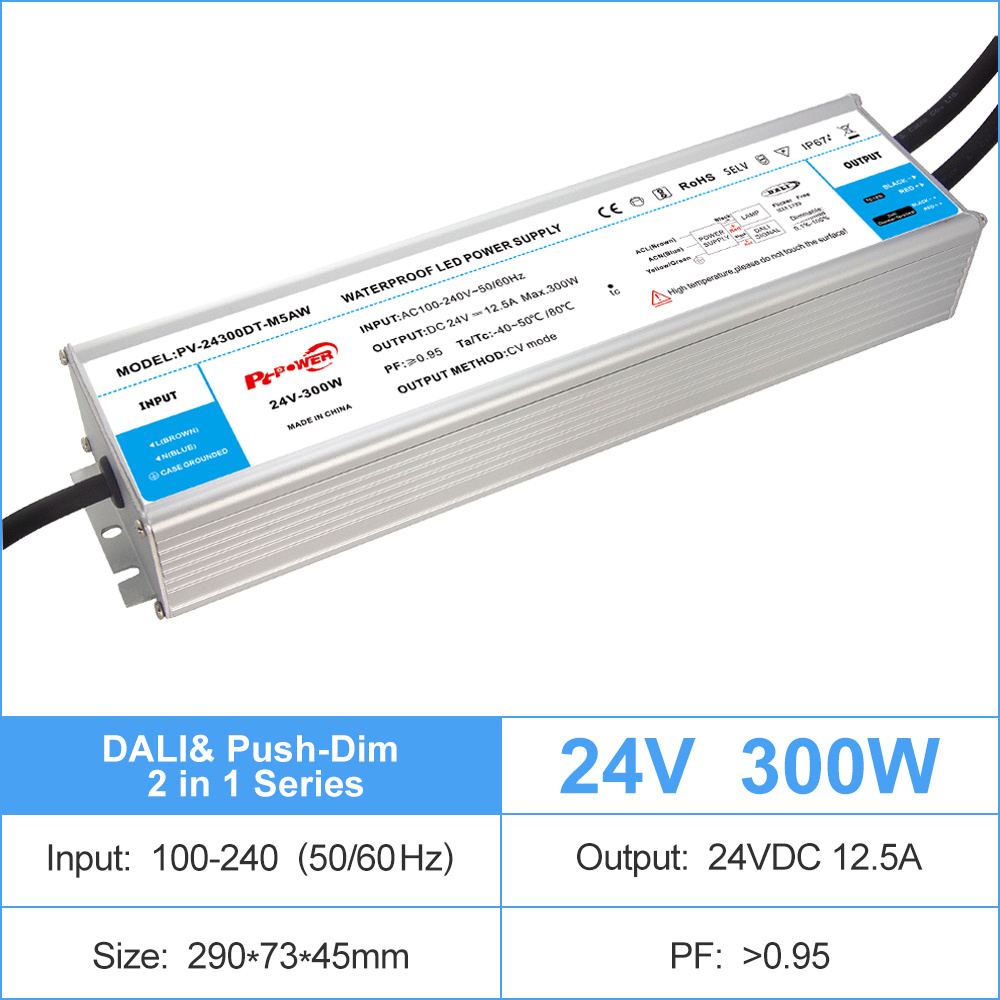
How to Select the Best CE Certified LED Power Supply for Your Needs
Selecting the right **CE certified LED power supply** is essential for achieving optimal performance in your lighting systems. With an array of options on the market, understanding how to choose the best one tailored to your specific needs can be overwhelming. This guide will explore everything from wattage requirements and efficiency ratings to safety standards, ensuring you make an informed decision.
Table of Contents
- Understanding LED Power Supplies
- Importance of CE Certification for LED Power Supplies
- Key Factors to Consider When Selecting an LED Power Supply
- Finding the Right Supplier
- Common Mistakes to Avoid When Choosing an LED Power Supply
- Maintenance and Replacement of LED Power Supplies
- FAQs
Understanding LED Power Supplies
An **LED power supply** is a device that converts electrical energy into a form that can safely power LED lights. These power supplies are crucial because LEDs require a stable and consistent power source to function efficiently. Understanding how these devices work and their specifications is vital for selecting the right unit for your application.
LED power supplies typically come in two types: **constant current** and **constant voltage**. Constant current supplies ensure that the LEDs receive a steady current, while constant voltage supplies maintain a consistent output voltage. The selection between the two largely depends on the LED configuration and application.
Importance of CE Certification for LED Power Supplies
CE certification signifies that a product meets EU safety, health, and environmental protection standards. For LED power supplies, this certification is crucial for several reasons:
1. **Safety Assurance**: CE certification helps ensure that the power supply operates safely, minimizing risks of electrical failures or fires.
2. **Quality Guarantee**: Products with CE certification have undergone rigorous testing, indicating higher reliability and quality.
3. **Market Access**: In many regions, CE certification is mandatory for market entry, which means certified products are more likely to comply with local regulations.
In summary, choosing a CE certified LED power supply is not just about compliance; it's about ensuring quality, safety, and performance.
Key Factors to Consider When Selecting an LED Power Supply
When selecting an LED power supply, several key factors must be taken into consideration to ensure it meets your specific needs:
Wattage Requirements
The wattage rating of the power supply is one of the most critical specifications to consider. It indicates how much power the unit can deliver to the LEDs. To determine the appropriate wattage, you need to calculate the total wattage requirements of your LED setup.
**Tip**: Always choose a power supply with a wattage rating that exceeds your total requirements by at least 20%. This provides a safety margin and ensures longevity and reliability.
Efficiency Rating
Efficiency ratings reflect how well a power supply converts input power into output power. A higher efficiency means less energy wasted as heat, which is beneficial for both the environment and your electricity bill. Look for **LED power supplies** with efficiency ratings of 80% or higher.
Input and Output Voltage
Ensure that the input voltage of the power supply is compatible with your local electrical supply. Common input voltages include 110V, 220V, and 240V. Additionally, you must match the output voltage of the power supply with the voltage requirements of your LEDs, typically 12V or 24V.
Operating Temperature
LED power supplies operate best within specific temperature ranges. Check the specifications to ensure that the power supply can handle the operating environment in which it will be placed. Excess heat can significantly reduce the lifespan of the power supply, so consider options with built-in thermal protection features.
Form Factor
The form factor of the power supply relates to its physical dimensions and mounting options. Ensure that the power supply will fit in the designated installation space and that it allows for proper heat dissipation. Common form factors include enclosed, open frame, and modular designs.
Finding the Right Supplier
Choosing a reputable supplier is essential for acquiring a high-quality CE certified LED power supply. Here are some tips for finding the right supplier:
1. **Research and Reviews**: Look for suppliers with positive reviews and a good reputation in the industry. Customer feedback can provide insights into product quality and customer service.
2. **Warranty and Support**: Ensure the supplier offers a warranty for the power supply. Reliable customer support is also essential for addressing any issues that may arise after purchase.
3. **Product Range**: A supplier with a diverse product range can offer options that meet your specific requirements. This is particularly useful if you plan to scale your lighting projects in the future.
Common Mistakes to Avoid When Choosing an LED Power Supply
Avoiding common pitfalls can save you time and money in the long run. Here are some mistakes to watch out for:
1. **Overlooking Specifications**: Failing to thoroughly check the specifications can lead to compatibility issues. Always cross-reference the power supply specifications with your LED requirements.
2. **Underrating Wattage**: Opting for a power supply that does not meet the wattage requirements can lead to inadequate performance and potential damage to your LEDs.
3. **Ignoring Efficiency**: Choosing a low-efficiency power supply can result in wasted energy and higher costs. Look for energy-efficient options that align with your sustainability goals.
4. **Skipping CE Certification**: Selecting a non-CE certified product may save you money initially but can lead to safety and reliability issues. Always prioritize certified products.
Maintenance and Replacement of LED Power Supplies
Proper maintenance of your LED power supply is crucial for ensuring its longevity and performance. Here are some maintenance tips:
1. **Regular Inspections**: Periodically check the power supply for signs of wear, overheating, or damage. Look for any unusual sounds or smells that may indicate a problem.
2. **Cleanliness**: Keep the power supply area clean and free from dust and debris to promote optimal airflow and cooling.
3. **Replacement Schedule**: Plan for eventual replacements, as all electronic components have a finite lifespan. Monitor the performance of the power supply and consider replacement if you notice significant degradation in efficiency or output.
FAQs
1. What is the difference between constant current and constant voltage LED power supplies?
Constant current power supplies maintain a steady current flow to the LEDs, while constant voltage supplies provide a fixed voltage output. The choice depends on your LED system requirements.
2. Can I use a non-CE certified power supply for my LED lights?
While it's possible, using a non-CE certified power supply increases the risk of safety hazards and may violate local regulations. It's best to use certified products.
3. How do I determine the wattage needed for my LED power supply?
Calculate the total wattage of all LED fixtures you plan to connect and select a power supply with a rating at least 20% higher than that total.
4. What efficiency rating should I look for in an LED power supply?
Aim for a power supply with an efficiency rating of 80% or higher to minimize energy waste and ensure reliable performance.
5. How often should I replace my LED power supply?
The lifespan of an LED power supply varies, but regular inspections and monitoring for performance degradation can help you determine when a replacement is necessary.
Conclusion
Selecting the best CE certified LED power supply for your needs requires careful consideration of multiple factors, including wattage, efficiency, voltage compatibility, and safety standards. By understanding these elements and avoiding common mistakes, you can ensure optimal performance and reliability in your lighting projects. Always invest in quality products from reputable suppliers to enhance your lighting experience while maximizing energy efficiency and safety. Empower yourself with knowledge and make informed decisions that illuminate your path to success!


Message consultation
* Note: Please be sure to fill in the information accurately and keep the communication unblocked, we will get in touch with you as soon as possible
COPYRIGHT 2024 Zhuhai Ptpower Electronic Technology Co., Ltd.
Powered By 300.cn Privacy Policy Digital business card