Zhuhai Ptpower Electronic Technology Co., Ltd.


Top Features to Look for in Energy-Saving LED Power Supplies
2026-05-04
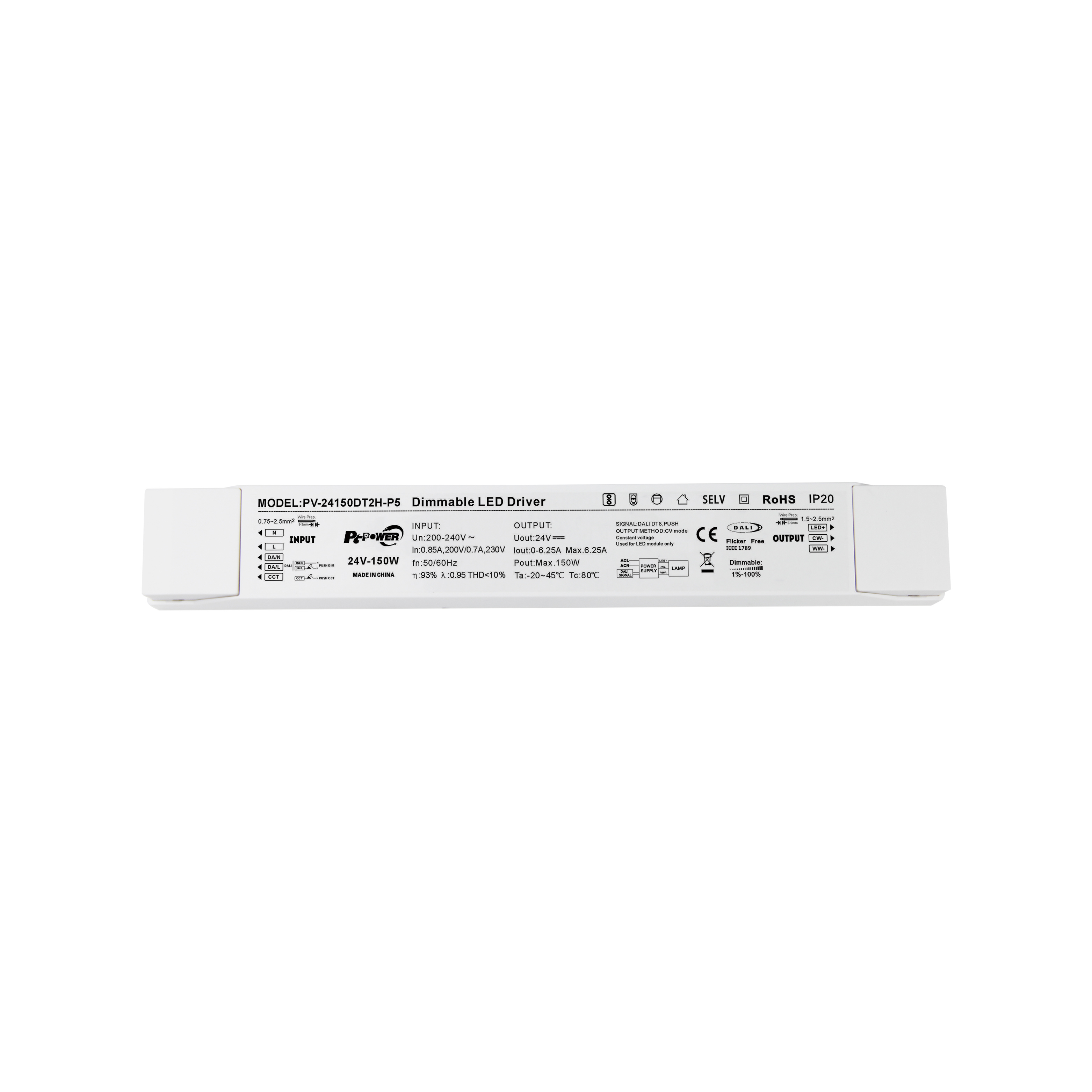
Introduction to Energy-Saving LED Power Supplies
In the era of sustainable energy solutions, **energy-saving LED power supplies** have become indispensable in both residential and commercial applications. These devices not only enhance the efficiency of LED lighting systems but also contribute significantly to reducing energy consumption and operational costs. As we navigate through the myriad of options available, it is crucial to identify the **top features** that ensure optimal performance and longevity of these power supplies. This article will delve into the essential characteristics to consider when choosing energy-saving LED power supplies.
Understanding LED Power Supplies: The Basics
Before we explore the specific features, it's vital to grasp the fundamental role of LED power supplies. An LED power supply converts alternating current (AC) to direct current (DC), which is necessary for LED operation. Additionally, these devices regulate voltage and current to provide a stable power source, preventing damage to the LED fixtures.
Why Energy Efficiency Matters
Energy efficiency in LED power supplies translates directly into savings on electricity bills and reduced environmental impact. When selecting a power supply, understanding its efficiency rating can help users choose models that deliver maximum output with minimal energy loss.
Efficiency Ratings Explained
Efficiency ratings indicate how well a power supply converts input power into usable output. Look for power supplies with an efficiency rating of **at least 80%**, which signifies that a majority of the energy consumed is utilized effectively.
Key Features to Look for in Energy-Saving LED Power Supplies
Now, let’s delve into the specific features that make an LED power supply exceptional. Each of these characteristics plays a critical role in ensuring reliability, performance, and energy savings.
1. High Efficiency Ratings
As mentioned earlier, a high-efficiency rating is paramount. Power supplies with ratings exceeding **90%** are ideal for maximizing energy savings. This not only lowers operational costs but also reduces heat generation, leading to a longer lifespan for both the power supply and the connected LED fixtures.
2. Power Factor Correction (PFC)
**Power Factor Correction** is vital for improving the efficiency of the power supply. A high power factor (close to 1) indicates that the device uses power effectively, minimizing losses. Look for power supplies that include active or passive PFC, which can greatly enhance energy efficiency and reduce the burden on electrical systems.
3. Input Voltage Range
Different applications require different input voltages. A versatile power supply with a wide input voltage range (e.g., 100-240V AC) ensures compatibility with various systems. This flexibility is particularly beneficial for international projects or installations where voltage standards may vary.
4. Output Current Range
The output current range is equally important. A power supply that can adapt its current output according to the connected LED load provides better performance and reliability. Look for models that support constant current output, which maintains a steady flow of electricity to the LEDs irrespective of voltage fluctuations.
5. Thermal Management Features
Heat management is crucial for the longevity of LED power supplies. Features like **built-in cooling fans**, thermal shutdown protection, and heat sinks help dissipate heat effectively, ensuring that the device operates within safe temperature limits. Overheating can lead to failure and reduced efficiency, making these features essential.
6. Short Circuit and Overload Protection
Safety features such as **short circuit protection** and **overload protection** are vital in preventing damage to both the power supply and the connected LEDs. These features automatically shut down the power supply during fault conditions, protecting your investment and enhancing reliability.
7. Dimming Capabilities
Dimming features add versatility to your lighting systems. Energy-saving LED power supplies with **dimming capabilities** allow users to adjust brightness levels, which not only enhances ambiance but also further reduces energy consumption. Look for models compatible with various dimming protocols to ensure compatibility with your existing systems.
8. Certifications and Standards Compliance
Selecting a power supply that meets recognized safety and efficiency standards is crucial. Certifications such as **UL**, **CE**, and **RoHS** signify that the product has undergone stringent testing for quality and safety. Purchasing certified products ensures compliance with legal regulations and enhances overall safety.
Choosing the Right Energy-Saving LED Power Supply for Your Needs
Selecting the ideal energy-saving LED power supply involves a thorough assessment of your specific requirements. Here are some tips to guide your choice:
1. Assess Your Power Needs
Calculate the total wattage required by your LED fixtures. This will help you determine the appropriate power supply capacity needed to ensure optimal performance. Always choose a power supply with a capacity exceeding your total load to allow for future expansion.
2. Consider the Environment
The installation environment can impact the performance and longevity of the power supply. If you're using the power supply in a challenging environment, such as extreme temperatures or humidity, consider models specifically designed for those conditions.
3. Evaluate Long-Term Costs
While it can be tempting to choose the least expensive option, consider the long-term savings associated with higher-quality power supplies. More efficient models may have a higher upfront cost but can lead to significant savings over their lifespan through reduced energy consumption and fewer replacement costs.
4. Research Brands and Reviews
Not all brands are created equal. Conduct thorough research on reputable manufacturers known for producing reliable energy-saving LED power supplies. Reading customer reviews can provide insight into product performance and customer satisfaction.
FAQs About Energy-Saving LED Power Supplies
1. What is the difference between constant current and constant voltage power supplies?
Constant current power supplies maintain a consistent current output, ideal for LED applications, while constant voltage power supplies deliver a fixed voltage regardless of load current.
2. How do I know if a power supply is suitable for my LED fixtures?
Check the specifications of your LED fixtures to determine voltage and current requirements, and ensure the power supply matches these ratings.
3. Can I use a power supply with a higher wattage than my LED needs?
Yes, using a power supply with a higher wattage is safe. However, ensure it provides the correct voltage and current to prevent damage to your LEDs.
4. How often should I replace my LED power supply?
The lifespan of LED power supplies varies, but quality models can last several years. Regularly check for signs of wear, such as flickering lights, which may indicate the need for replacement.
5. Are energy-saving LED power supplies more expensive?
While they may have a higher initial cost, energy-saving LED power supplies typically lead to cost savings in the long run through reduced energy consumption and longer operational life.
Conclusion
In conclusion, choosing the right energy-saving LED power supply requires careful consideration of various features such as efficiency ratings, safety mechanisms, and compatibility with your LED fixtures. By focusing on these essential characteristics, you can select a power supply that not only meets your immediate needs but also contributes to long-term energy savings and sustainability.
Investing in high-quality, energy-efficient LED power supplies not only enhances the performance of your lighting systems but also reflects a commitment to reducing energy consumption and promoting a greener future. Stay informed, evaluate your options, and choose wisely to ensure your LED lighting solutions shine brightly and efficiently.


Message consultation
* Note: Please be sure to fill in the information accurately and keep the communication unblocked, we will get in touch with you as soon as possible
COPYRIGHT 2024 Zhuhai Ptpower Electronic Technology Co., Ltd.
Powered By 300.cn Privacy Policy Digital business card