Zhuhai Ptpower Electronic Technology Co., Ltd.


Essential Guide to LED Power Supply for Landscape Lighting
2026-03-02
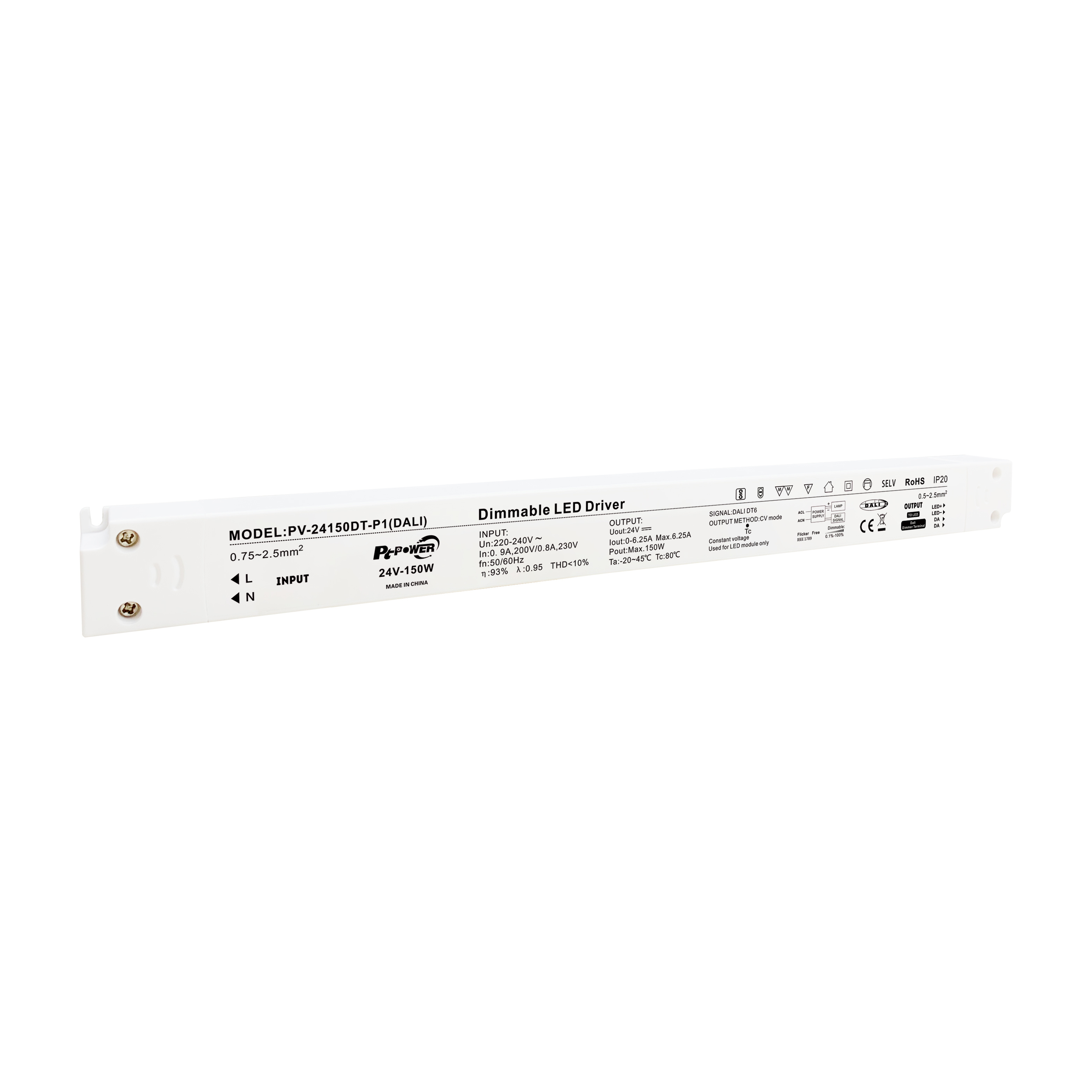
When it comes to illuminating your outdoor spaces, choosing the right LED power supply for landscape lighting is crucial. This component is not just a technical necessity; it plays a significant role in enhancing the aesthetic appeal and functionality of your outdoor environment. In this guide, we'll explore essential considerations for selecting the ideal power supply for your landscape lighting needs.
First and foremost, understanding the voltage requirements of your LED fixtures is vital. Most landscape lighting systems operate at either low voltage (12V) or line voltage (120V). Low-voltage systems are popular for their safety and ease of installation, making them suitable for residential use. When selecting a power supply, ensure it matches the voltage requirements of your lights. An incompatible voltage can lead to dim lighting, flickering, or even damage to the fixtures.
Another crucial aspect is the wattage capacity of the LED power supply. It’s important to choose a power supply that can handle the total wattage of all connected lights. Aim for a power supply that exceeds the total wattage by about 20% to accommodate potential power surges and ensure longevity. For example, if your total wattage is 60W, a power supply rated for 80W would be ideal. This extra capacity ensures consistent performance and reduces the risk of overloading the unit.
Efficiency is also a key factor in selecting an LED power supply for landscape lighting. Look for models with high efficiency ratings, as these will convert more of the electrical input into usable power for your lights, resulting in lower energy consumption. This not only helps reduce your electricity bills but also contributes to environmental sustainability.
Weather resistance is another essential consideration. Since landscape lighting is exposed to outdoor elements, it’s imperative to select an LED power supply that is rated for outdoor use. Look for units with an IP rating (Ingress Protection) that indicates their ability to withstand moisture and dust. A power supply with a higher IP rating (like IP65 or above) will provide greater assurance against the elements, prolonging its lifespan and reliability.
Installation and maintenance are also aspects worth considering. Some power supplies come with features that simplify installation, such as plug-and-play capabilities or built-in timers and dimmers. Additionally, consider the accessibility of the unit for future maintenance or adjustments.
Finally, always refer to the manufacturer's guidelines and specifications to ensure compatibility and safety. This practice will help you avoid common pitfalls and enhance the overall performance of your landscape lighting.
In conclusion, selecting the right LED power supply for landscape lighting involves careful consideration of voltage, wattage, efficiency, weather resistance, and installation features. By paying attention to these factors, you can create a beautifully lit outdoor space that is both functional and visually appealing.
First and foremost, understanding the voltage requirements of your LED fixtures is vital. Most landscape lighting systems operate at either low voltage (12V) or line voltage (120V). Low-voltage systems are popular for their safety and ease of installation, making them suitable for residential use. When selecting a power supply, ensure it matches the voltage requirements of your lights. An incompatible voltage can lead to dim lighting, flickering, or even damage to the fixtures.
Another crucial aspect is the wattage capacity of the LED power supply. It’s important to choose a power supply that can handle the total wattage of all connected lights. Aim for a power supply that exceeds the total wattage by about 20% to accommodate potential power surges and ensure longevity. For example, if your total wattage is 60W, a power supply rated for 80W would be ideal. This extra capacity ensures consistent performance and reduces the risk of overloading the unit.
Efficiency is also a key factor in selecting an LED power supply for landscape lighting. Look for models with high efficiency ratings, as these will convert more of the electrical input into usable power for your lights, resulting in lower energy consumption. This not only helps reduce your electricity bills but also contributes to environmental sustainability.
Weather resistance is another essential consideration. Since landscape lighting is exposed to outdoor elements, it’s imperative to select an LED power supply that is rated for outdoor use. Look for units with an IP rating (Ingress Protection) that indicates their ability to withstand moisture and dust. A power supply with a higher IP rating (like IP65 or above) will provide greater assurance against the elements, prolonging its lifespan and reliability.
Installation and maintenance are also aspects worth considering. Some power supplies come with features that simplify installation, such as plug-and-play capabilities or built-in timers and dimmers. Additionally, consider the accessibility of the unit for future maintenance or adjustments.
Finally, always refer to the manufacturer's guidelines and specifications to ensure compatibility and safety. This practice will help you avoid common pitfalls and enhance the overall performance of your landscape lighting.
In conclusion, selecting the right LED power supply for landscape lighting involves careful consideration of voltage, wattage, efficiency, weather resistance, and installation features. By paying attention to these factors, you can create a beautifully lit outdoor space that is both functional and visually appealing.
Previous:


Message consultation
* Note: Please be sure to fill in the information accurately and keep the communication unblocked, we will get in touch with you as soon as possible
COPYRIGHT 2024 Zhuhai Ptpower Electronic Technology Co., Ltd.
Powered By 300.cn Privacy Policy Digital business card